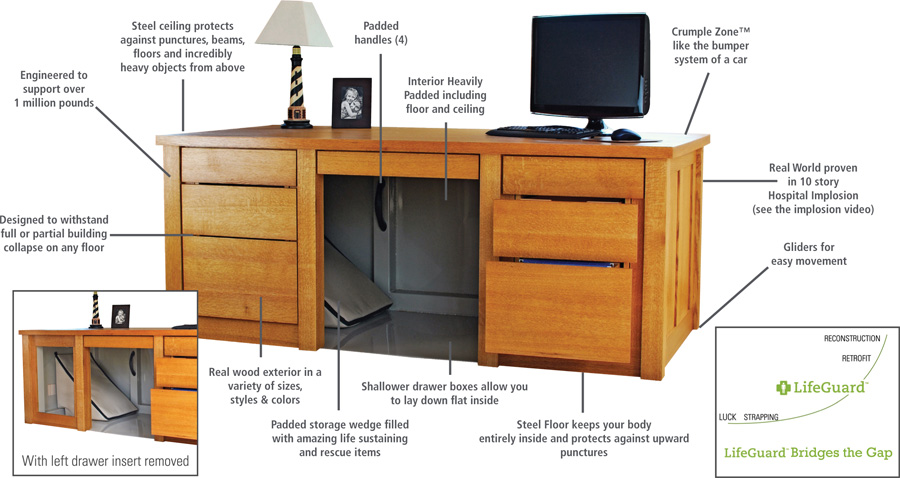
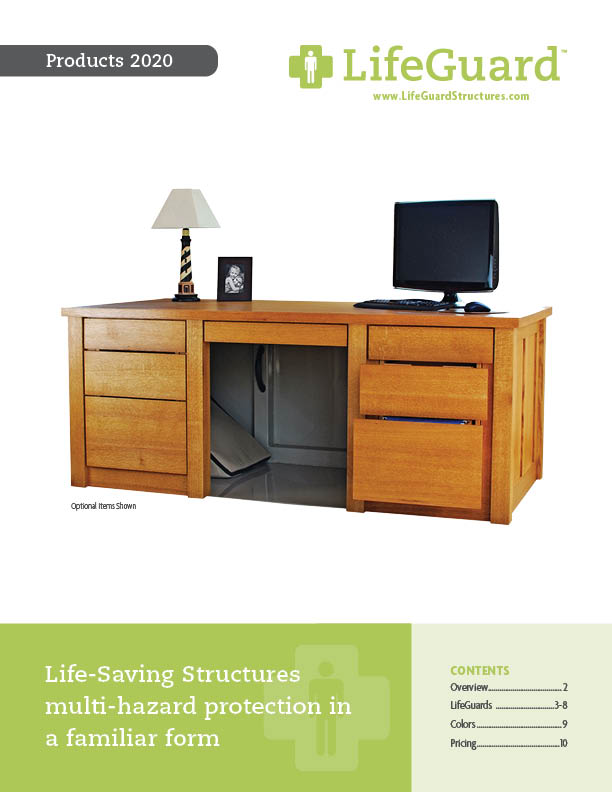
Anatomy of an earthquake proof desk:
Western US buildings at high risk
Western US people at risk in vulnerable buildings
Number of companies that make a product that can protect you from these risks
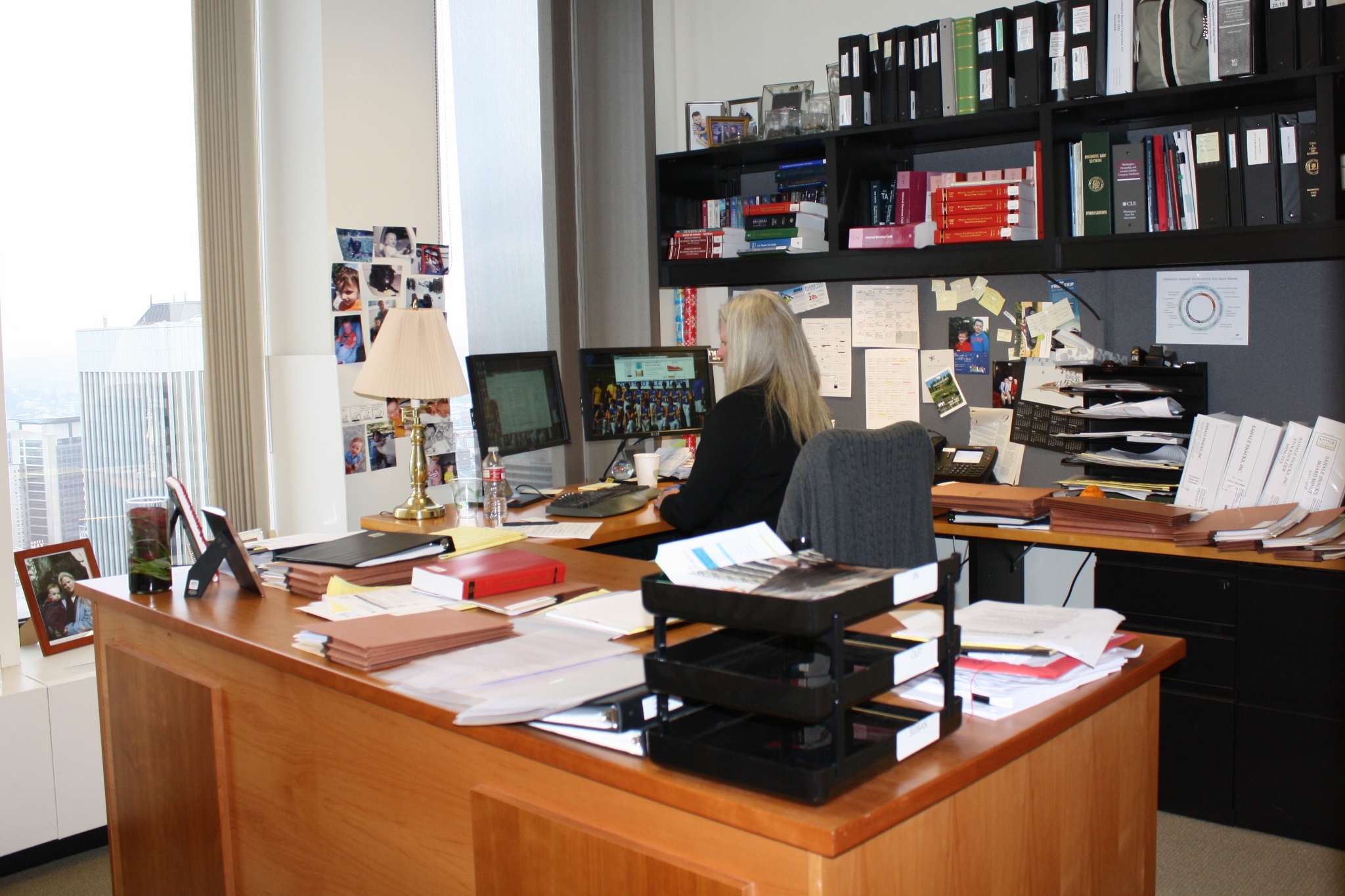
I work in an area prone to earthquakes large enough to inflict serious damage to my office, my building and me.
As a partner in my firm, a wife and mother, this posed an unacceptable level of risk to those who care about and need me.
My LifeGuard puts us at ease knowing I have a very safe place to immediately go when these earthquakes happen. When I think about the day a big one happens, I now feel confident and empowered instead of helpless.
This desk is a beautiful piece of furniture that is not only functional but, quite literally, a life saver. It works great in my classroom and gives me a sense of security that no other piece of equipment I own can offer; not even my Volvo. For me, the deciding factor came down to a question I formulated in my head: Did I want to possibly be trapped, injured or killed in an earthquake while knowing I had the money available to mitigate or eliminate those risks? You can’t go back in time when a disaster occurs; if you could then there would be no need to prepare. But you can’t, so you make the best choices possible given risk potential, benefits and costs.
LifeGuard gives me a sense of security and preparedness that doesn’t make me feel like I wasted my money. It’s more like an investment in my well-being. And if there ever it is an earthquake, it’ll be the best investment I ever made.
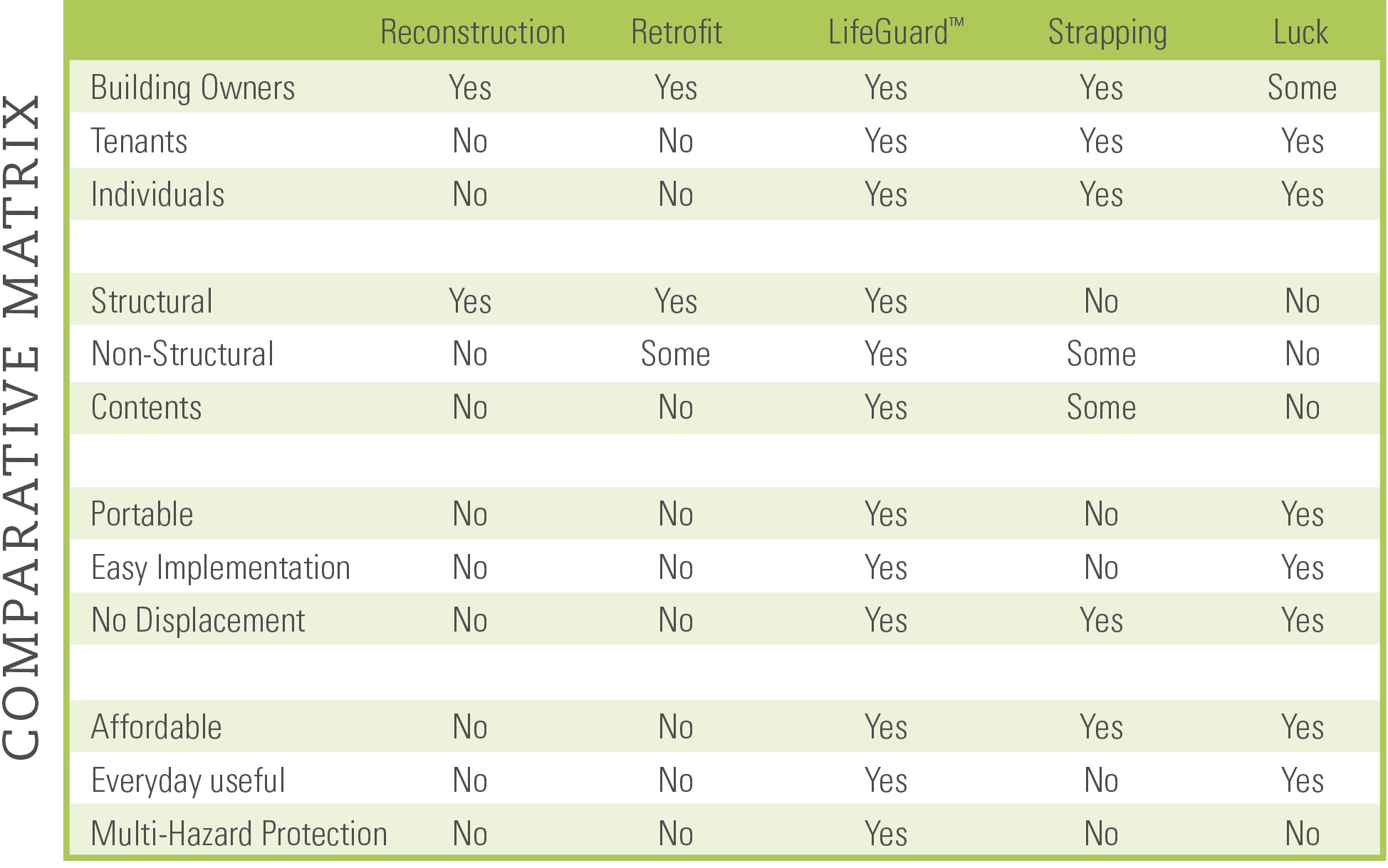
LifeGuard Overview
LifeGuard Feats of Strength
LifeGuard Catalog
Executive Summary